Ever click through Pleasant Hill listings and feel unsure what the photos and buzzwords really mean for day-to-day life? You are not alone. Style and layout shape how a home lives, what it costs to maintain, and how it performs on resale. In this guide, you will learn how to recognize Pleasant Hill’s most common home types, where they tend to cluster, and the trade-offs to consider before you tour. Let’s dive in.
Pleasant Hill at a glance
Pleasant Hill’s housing is largely postwar and suburban, with a citywide median home age of about 46 years and roughly 43% of homes built between 1970 and 1989. The city remains predominantly single-family, with multifamily near Downtown and Contra Costa Centre. These patterns explain why you see many single-story ranches and split-levels in established neighborhoods, while townhomes and condos cluster near transit and the Town Center. You can explore the city’s housing age and land use in the city’s Existing Conditions workbook. View the General Plan snapshot.
Neighborhood geography also shapes what you will see. Areas north of Gregory Lane include newer subdivisions with a higher share of single-story homes. Eastern pockets near I-680 show denser rental and multifamily options. Foothill areas toward Briones and Diablo feature larger, hillier lots and more multi-level designs. For official planning and housing documents, use the city’s planning documents page.
Recognize common home styles
Single-story ranch
Ranch or rambler homes are widespread across Pleasant Hill’s older, flatter neighborhoods. You will often see a long, low roofline, an attached front garage, and a rectangular or L-shaped footprint. Most living spaces sit on one level, which is convenient if you want fewer stairs or plan to age in place. For a concise definition of the ranch form, see Britannica’s overview.
What to consider: Because many ranches date to the 1950s–1960s, check the age of the roof, HVAC, electrical panel, and plumbing. Condition and layout tend to drive value more than the basic shape.
Split-level or raised ranch
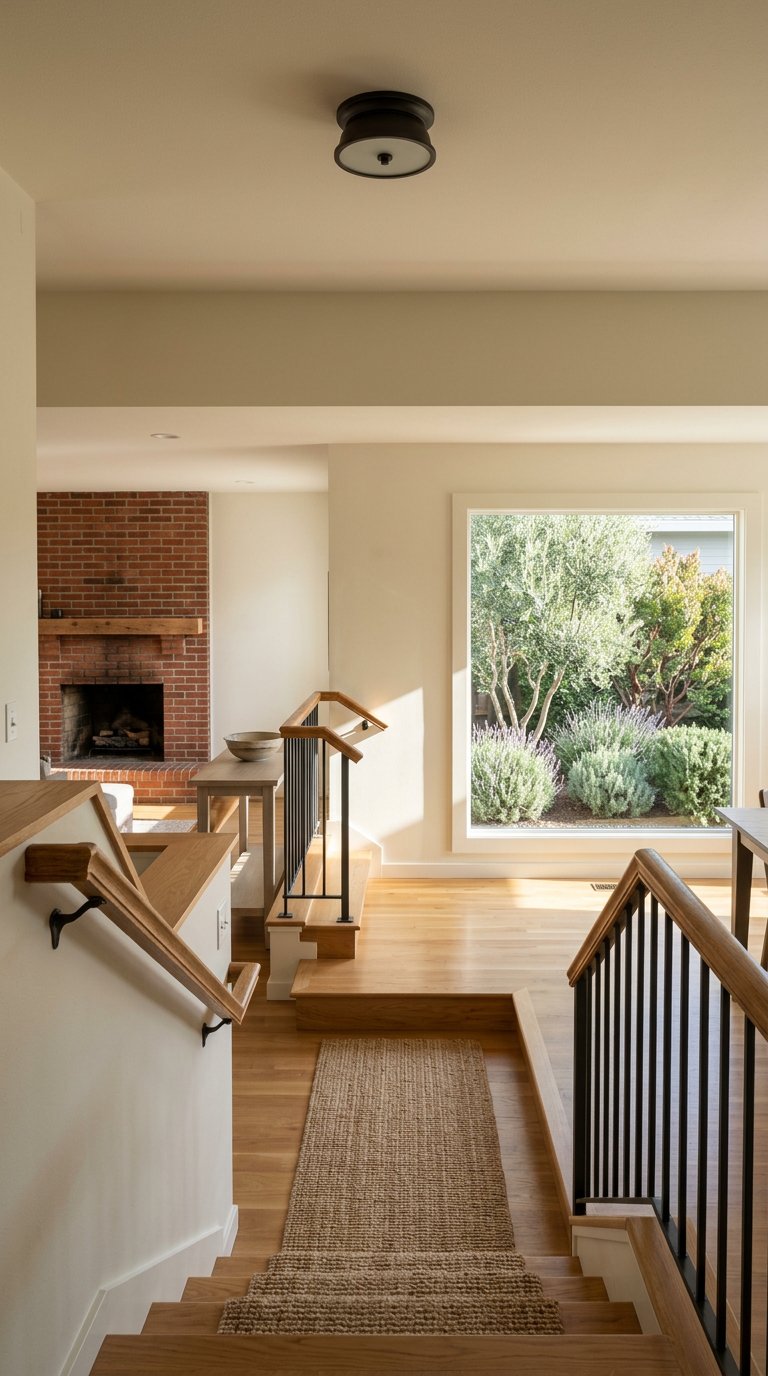
Split-levels are common in mid-century subdivisions that wanted more interior space on modest lots. You will see short stair flights near the entry and staggered living areas, with bedrooms and main living on one level and a family room or garage on another. These homes create useful separation of spaces but add daily stair use. For a style refresher, see Architectural Digest’s split-level explainer.
What to consider: Multiple levels can complicate accessibility retrofits and HVAC zoning. Ask about heating and cooling balance between levels and any moisture control in lower rooms.
Two-story traditional
You will find two-story plans in pockets across Pleasant Hill, including newer infill and later subdivisions. Bedrooms are usually upstairs, with living spaces below. Two-story homes can deliver more square footage on a given lot but require stairs as part of daily routines.
Mid-century modern and contemporary
Select homes across Pleasant Hill reflect mid-century modern or contemporary design cues, like broad horizontal lines, clerestory windows, and indoor-outdoor flow. Interiors often show open living areas and large panes of glass. When you see these elements in photos, expect brighter common spaces and a layout that favors entertaining.
Hillside and multi-level
Foothill properties sit on larger, sloped lots and often feature walk-out lower levels, tiered patios, and long driveways. Many enjoy valley views and extra privacy. Terrain brings opportunity and responsibility. Expect more attention to drainage, retaining walls, and foundations. For a sense of why slopes add engineering needs and cost, review this geotechnical overview.
Townhomes, condos, and transit-area flats
Townhomes and condos cluster near Pleasant Hill/Contra Costa Centre BART and around Downtown and Taylor Boulevard. These homes trade larger private yards for location and lower exterior maintenance through an HOA. The city’s planning workbook highlights where multifamily is concentrated and where it may grow. See the General Plan workbook.
How layout and lot affect value
Lot size and views
In Pleasant Hill, larger parcels and view lots often command premiums. Research on view premiums shows buyers value wide vistas, with pricing influenced by view quality. When a listing highlights panoramic or city-light views, expect a per-square-foot premium versus similar homes without views. For background on view premiums, see this summary of long-term view value research.
Condition, updates, and flow
Functional layout tends to lead value, followed by quality updates. Modernized kitchens and primary baths often recoup a meaningful share of cost on resale, so a floor plan that supports an open kitchen or improved flow can perform well. For national context on remodel ROI, see this Cost vs. Value overview.
Location and convenience
Proximity to BART, the Town Center, schools, and commute corridors can outweigh pure size. A well-laid-out single-story near transit may compete strongly with a larger but less convenient home. The city’s workbook discusses mobility assets and where multifamily and services cluster. Review the planning workbook.
Maintenance and risk trade-offs
Age of systems
With a large share of homes from the 1950s through the 1980s, you will often see aging roofs, heating systems, electrical panels, and plumbing. Budget for mid-life replacements unless a listing shows recent upgrades. The housing age distribution is laid out in the city’s Existing Conditions workbook.
Hillside drainage and geotech
Slope brings added complexity. Engineered retaining walls, subdrains, and deeper foundations can be necessary on steeper parcels. Depending on conditions, remediation can range from small fixes to major engineered work. This is a key inspection and negotiation point for hillside homes. Learn why in this geotechnical and foundation primer.
Wildfire exposure near open space
Some hillside and edge areas in Contra Costa are mapped with higher wildfire hazard. That can affect vegetation management, defensible space requirements, and sometimes insurance options. When touring properties near brush or open space, ask whether the parcel is in a designated Fire Hazard Severity Zone and what fuel reduction has been done. You can view the Contra Costa fire hazard map.
Daily living and accessibility
If you want fewer stairs, a single-story ranch or a home with the primary bedroom and main living on one level can simplify life. National safety guidance notes that stairs are a common fall risk for older adults, and main-level living can reduce retrofit needs. See AARP’s HomeFit tips and CDC STEADI materials for practical home safety guidance.
Split-level and hillside homes can create excellent separation of spaces for work, guests, or recreation. Just plan for regular stair use and consider HVAC zoning for comfort across levels.
Quick buyer checklist
Use this list to scan photos, jot questions, and focus your tour time.
- Floors and bedroom placement. Note whether the primary bedroom is on the main level. If a listing says “master-on-main,” that usually signals fewer stairs for daily routines.
- Roofline and gutters. Look for signs of age or sagging. Ask for roof age and any permits for replacements.
- Foundation exposure and slope. If you see retaining walls, long driveways, or visible drain lines, ask about geotechnical reports and any retaining-wall permits or repairs. Reference this geotechnical overview to frame questions.
- Yard grade and drainage. Watch for low spots near the home and how downspouts are routed.
- Lower-level photos. Check for finished basements or walk-out levels, signs of moisture, and separate exterior access.
- Vegetation and brush. If the home is near open space, ask whether it is in a mapped hazard zone and what defensible-space work has been completed. Review the county hazard map.
- Kitchen layout. Open plan or island can improve everyday flow and future ROI. See general ROI context in the Cost vs. Value overview.
Questions to ask the listing agent
- Year built and any seismic foundation bolting or retrofits. Request permits and invoices.
- Dates of major system updates. Roof, HVAC, water heater, and sewer lateral are common big-ticket items.
- Any recent geotechnical reports or retaining-wall permits for hillside lots. If yes, ask for the report.
- Whether the property is in a designated fire hazard zone and any local defensible space requirements.
- For condos and townhomes. Ask for the HOA reserve study, roof and paint schedules, and how exterior work is funded.
Inspection and due diligence focus
- Foundation, grade, drainage, and retaining walls. Consider a geotechnical review if slope movement is suspected.
- Electrical panel type and capacity. Many buyers prefer modern 200A service.
- Plumbing material and sewer lateral history. Ask for documentation of any repairs.
- Roof age and permits for additions or finished lower levels.
- Accessibility basics. Check main-level bath access, door widths, and laundry location. See AARP’s HomeFit tips and CDC STEADI for ideas.
The bottom line
In Pleasant Hill, style and layout tell a clear story. Single-story ranches offer simplicity and easier accessibility. Split-levels and hillside homes deliver separation of space and, sometimes, views. Townhomes and condos near transit trade private yard space for location and lower exterior maintenance. Pair what you see in photos with questions about systems, slope, and HOA resources, and you will move faster and with more confidence.
If you want a local, hands-on partner to help you match the right style and layout to your timeline and budget, let’s talk. You will work directly with a trusted advisor who can coordinate vendors, read between the lines of listings, and manage a smooth escrow from offer to close. Connect with Dean Okamura to get started.
FAQs
What Pleasant Hill home styles are most common?
- Single-story ranches and mid-century split-levels are widespread, with two-story traditional plans and some mid-century modern examples. Multifamily clusters near Downtown and Contra Costa Centre are also common. See the city’s planning workbook for context.
Where do townhomes and condos cluster in Pleasant Hill?
- Townhomes and condos concentrate near Pleasant Hill/Contra Costa Centre BART and the Town Center area, trading larger yards for location and HOA-managed exterior care. The General Plan workbook maps these patterns here.
How do hillside lots affect ownership costs?
- Hillside homes may require engineered drainage, retaining walls, and stronger foundations, which increase maintenance and potential project costs. Review this geotechnical primer before you tour.
What drives value more: size, layout, or updates?
- Layout and condition usually lead, followed by updates and then raw square footage. Larger lots and quality views often add premiums. See a view premium summary here.
Are many Pleasant Hill homes older? What should I check?
- Yes. A large share of homes date from the 1950s to 1980s. Ask about roof, HVAC, electrical panel, plumbing, and sewer lateral age. The city’s workbook outlines the age profile.
How can I evaluate accessibility in a Pleasant Hill home?
- Look for one-level living or the primary bedroom on the main floor, wide doorways, a main-level bath, and convenient laundry. For practical tips, see AARP HomeFit and CDC STEADI.