If you are thinking about selling in Pleasant Hill, it is easy to wonder which home updates are actually worth the money. In a market where many homes are older and buyers notice condition quickly, the best improvements are usually not the biggest or most expensive ones. The smartest approach is to focus on updates that make your home feel clean, current, and easy to move into. Let’s dive in.
Why smart updates matter in Pleasant Hill
Pleasant Hill is a high-value East Bay market, with a median owner-occupied home value of $1,040,600 and a 63.9% owner-occupied rate, according to Census QuickFacts. Recent market snapshots in the research report place many homes around the $900,000 to $1.0 million range, with relatively short days on market.
That kind of market often rewards homes that show well from day one. Buyers at this price point usually respond to homes that feel well maintained, functional, and visually current rather than highly personalized or heavily customized.
Pleasant Hill also has an older housing stock. The city’s housing element reported that nearly half of homes were at least 40 years old, and an older-homes survey found that about 68% needed some repair, often involving paint, windows, roofs, and other basic components.
That helps explain why visible maintenance and practical upgrades can pay off here. If your home looks cared for, buyers tend to feel more confident about the rest of the property.
Start with visible wear and tear
Before you think about gadgets or larger remodels, fix the things buyers will notice right away. In photos, at showings, and during inspections, worn surfaces can make a home feel older than it is.
Fresh paint is often one of the simplest wins. NAR’s 2025 Remodeling Impact Report says painting the entire home and painting individual rooms are among the most commonly recommended pre-listing projects.
In Pleasant Hill, paint matters even more because so many homes were built decades ago. A fresh, neutral interior can quickly shift a home from dated to move-in ready without changing the layout.
Other good first-step repairs include:
- Touching up trim and baseboards
- Replacing worn or outdated light fixtures
- Repairing damaged drywall
- Updating tired finishes that stand out in listing photos
- Addressing obvious deferred maintenance at the front entry
These are not glamorous projects, but they often create a cleaner overall impression. That first impression matters in a competitive market.
Refresh kitchens without overbuilding
The kitchen is still one of the first places buyers judge. But in Pleasant Hill, that does not always mean you need a full luxury remodel.
The research points to a better strategy: refresh instead of overbuild. NAR’s 2025 Remodeling Impact Report gave a kitchen upgrade a perfect Joy Score, but the broader takeaway is that seller-focused projects should improve presentation and function more than personal taste.
For many Pleasant Hill sellers, a smart kitchen update may include:
- Refinishing or refacing cabinets
- Adding new cabinet hardware
- Replacing dated lighting
- Installing a neutral backsplash
- Updating countertops where wear is obvious
- Replacing appliances that look heavily used or inconsistent
This kind of selective work can make the kitchen feel current without pushing the project into a costly reconfiguration. In a market around the $1 million mark, buyers often expect a kitchen that feels clean and updated, but not necessarily custom-built from the ground up.
Give flooring a hard look
Flooring is one of the highest-impact updates because buyers see it immediately and feel it underfoot. It affects photos, showings, and the overall sense of condition.
NAR’s 2022 Remodeling Impact Report found especially strong cost recovery for flooring work. Hardwood floor refinishing recovered 147% of estimated cost, while new wood flooring recovered 118%.
That matters in Pleasant Hill, where many homes are old enough to have original or long-installed flooring. If you have salvageable hardwood, refinishing it may be one of the best value plays available.
If carpet is worn in main living areas, replacement is often worth considering. A more durable, broadly appealing surface can make the home feel fresher and easier to maintain.
Add smart-home features buyers actually want
Smart-home upgrades can help, but only if they are useful and easy to understand. The goal is not to turn your house into a tech showcase. The goal is to add a few features that buyers already value.
Zillow’s 2025 Consumer Housing Trends report found that 91% of prospective buyers said at least one smart-home feature was important. The most valued features were smart-home security at 72%, thermostats at 64%, lighting at 61%, smart locks at 60%, and leak detection sensors at 40%.
That makes a strong case for modest, practical upgrades. In most Pleasant Hill homes, the best smart-home additions are:
- A smart thermostat
- Smart locks
- Basic smart lighting controls
- Leak detection sensors
These features are relatively easy to understand and offer clear daily benefits. Security, convenience, and energy management are the categories buyers tend to notice most.
ENERGY STAR says certified smart thermostats can help homeowners save money while staying comfortable. That makes them a practical update, not just a trendy one.
Remember that function still beats gadget count
Even though buyers like smart-home features, they still care most about how a home lives. Zillow’s report found that floor plan remains the single most important listing feature for 33% of buyers.
That is an important reminder if you are deciding between a flashy tech package and basic improvements. A clean layout, good flow, updated flooring, and a refreshed kitchen will usually matter more than adding multiple smart devices.
In other words, smart updates should support livability, not distract from it. The best ones make your home easier to use and easier to picture living in.
Improve curb appeal before listing
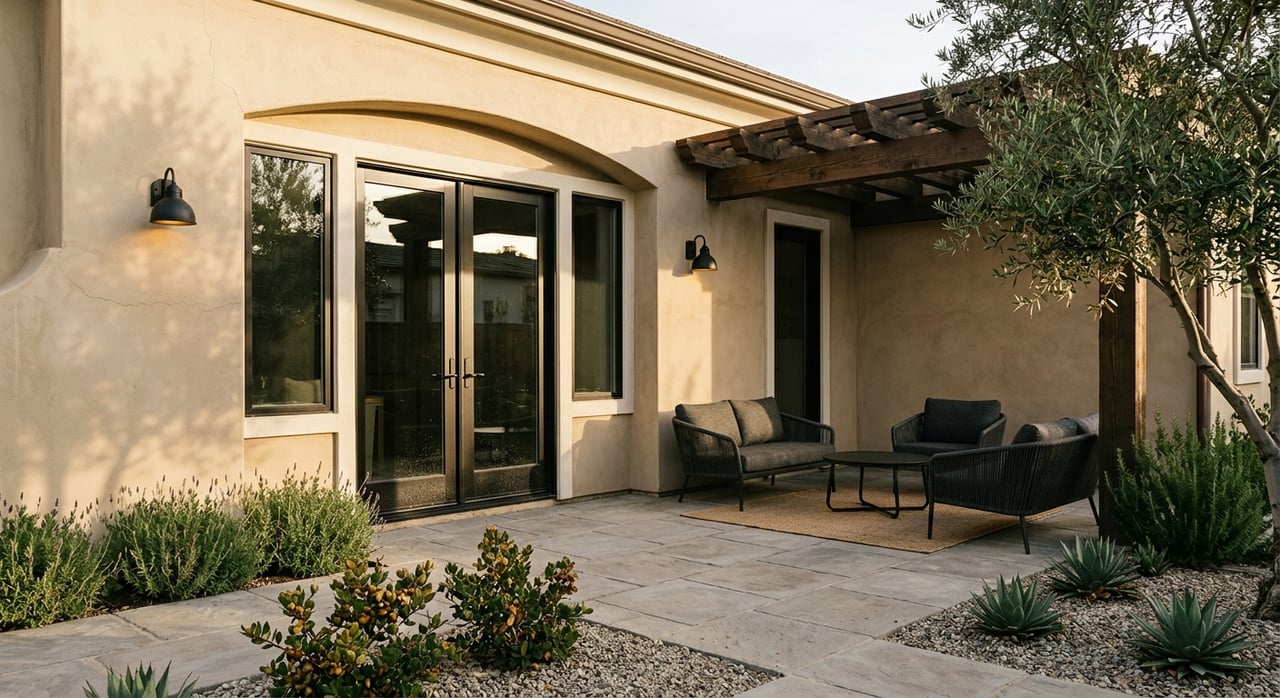
Outdoor updates are often some of the most cost-effective improvements you can make. They shape the first impression before a buyer even walks through the front door.
NAR’s 2023 outdoor remodeling report said 92% of Realtors recommend improving curb appeal before listing. It also found strong cost recovery for projects like standard lawn care service, landscape maintenance, overall landscape upgrades, and new patios, though results vary by design, materials, age, and condition.
In Pleasant Hill, simple exterior work is usually the most defensible approach. Think tidy, welcoming, and low drama rather than elaborate outdoor construction.
Good curb-appeal updates may include:
- Trimming landscaping
- Adding fresh mulch
- Refreshing the front walkway
- Improving exterior lighting
- Creating a small patio seating area
- Cleaning up planting beds and borders
Entry updates can also stand out. NAR’s 2025 Remodeling Impact Report showed strong cost recovery for front door replacements, including 100% for a steel front door and 80% for a fiberglass front door.
Match your budget to neighborhood expectations
One of the biggest mistakes sellers make is over-improving for the market. In Pleasant Hill, the research supports a more disciplined approach.
Because home values often cluster around the upper end of the market but the housing stock is older, the sweet spot is usually a handful of high-visibility upgrades with broad appeal. That often beats a full luxury remodel that may not match nearby homes.
A practical pre-sale strategy usually looks like this:
| Priority | Why it matters |
|---|---|
| Paint and repair | Improves photos, showings, and buyer confidence |
| Flooring refresh | Delivers strong visual and functional impact |
| Kitchen refresh | Helps the home feel current without overspending |
| Smart thermostat, locks, sensors | Adds useful convenience buyers recognize |
| Landscaping and entry updates | Strengthens curb appeal and first impressions |
This kind of plan keeps spending tied to what buyers are likely to notice and value. It also helps you avoid putting money into features that may not improve your sale outcome.
Plan ahead for permits and utility details
If your project involves electrical work, mechanical systems, or more substantial remodeling, check the city requirements early. Pleasant Hill’s permit portal is online, and the city provides handouts for projects such as kitchen remodels, bathroom remodels, heat pump water heaters, and EV charging stations.
The city also notes that gas and electric service is provided by PG&E, with MCE as the electricity generator. If you are considering electrical or energy-related upgrades, it is smart to review permit and utility requirements before work begins.
This matters even more if you plan to sell within the next 6 to 24 months. You want work that will still feel fresh when you list, and you want clear documentation for any permitted improvements.
A smart timeline for sellers
If you are planning ahead, timing can make a real difference. Projects done too early may look tired by the time you list, while projects done too late can create stress and rushed decisions.
For many sellers in Pleasant Hill, the best window is to start with planning and prioritization well before the home goes on the market. That gives you time to focus on the highest-impact work and avoid reactive spending.
A simple approach looks like this:
- 6 to 24 months out: Plan scope, review permits if needed, and tackle larger functional updates
- 3 to 6 months out: Complete flooring, kitchen refreshes, lighting, and smart-home additions
- 1 to 2 months out: Finish paint touch-ups, landscaping, deep cleaning, and front-entry improvements
This kind of sequencing helps you spread out costs and make better decisions. It also gives your home a more polished final presentation.
The best payoff is confidence
The smartest home updates do more than improve appearance. They help buyers feel comfortable making a strong offer.
In Pleasant Hill, that often means choosing simple, visible, practical improvements over major custom renovations. Fresh paint, better floors, a refreshed kitchen, a few useful smart-home features, and stronger curb appeal can go a long way.
If you want a clear plan, the right answer is rarely to renovate everything. It is to focus on the updates that support presentation, function, and buyer confidence while staying in line with neighborhood expectations.
If you are weighing which updates make sense before you sell, Dean Okamura offers the kind of hands-on guidance that can help you prioritize wisely, coordinate the details, and keep your budget focused on what is most likely to matter.
FAQs
What home updates pay off most in Pleasant Hill?
- In many Pleasant Hill homes, the strongest pre-sale updates are fresh paint, flooring improvements, modest kitchen refreshes, smart thermostats or locks, and simple curb-appeal work like landscaping and entry improvements.
Are smart-home features worth adding before selling in Pleasant Hill?
- Yes, if you keep them practical. Buyer research in the report shows strong interest in smart-home security, thermostats, lighting, and locks, especially when they add convenience and everyday function.
Should you remodel the whole kitchen before selling a Pleasant Hill home?
- Usually not. In this market, a selective kitchen refresh often makes more sense than a full custom remodel, especially if the goal is to make the space feel current without overspending.
Does flooring really affect resale value in Pleasant Hill?
- Yes. Flooring is a high-visibility update, and the research report shows especially strong cost recovery for hardwood refinishing and new wood flooring.
Do Pleasant Hill home improvement projects need permits?
- Some do. Pleasant Hill has an online permit portal and project handouts for common residential work, including kitchen remodels, bathroom remodels, heat pump water heaters, and EV charging stations.
How far in advance should you update a home before listing in Pleasant Hill?
- A 6- to 24-month planning window is often ideal because it gives you time to choose updates that will still look fresh at sale time, handle permits if needed, and avoid over-improving for the neighborhood.